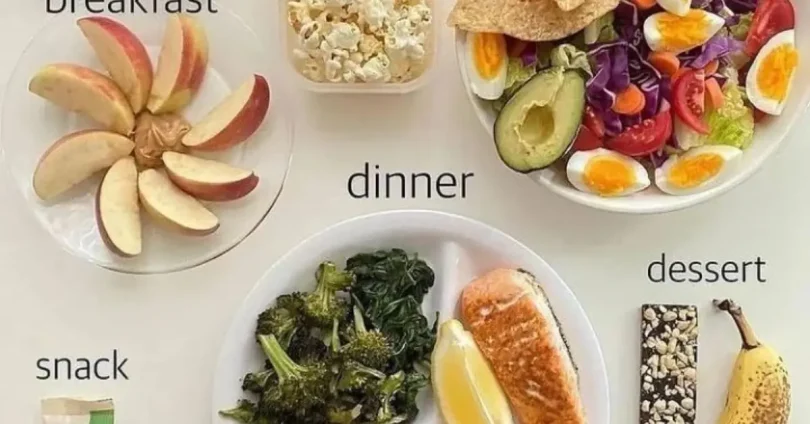

Eating healthy consistently can be challenging without a plan. A weekly diet plan provides structure, ensures balanced nutrition, and makes it easier to achieve health and fitness goals. Whether you want to lose weight, maintain energy, or build healthy habits, following a weekly diet plan helps you stay on track and reduces the stress of deciding what to eat every day.
What Is a Weekly Diet Plan?
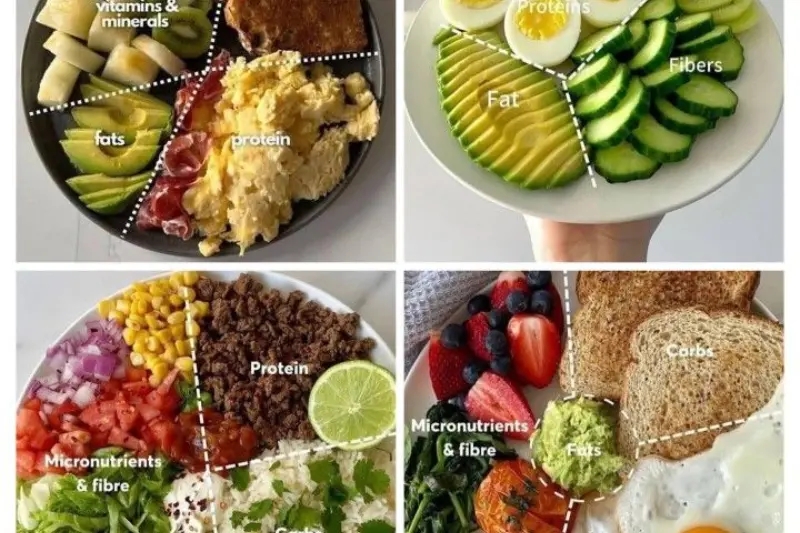
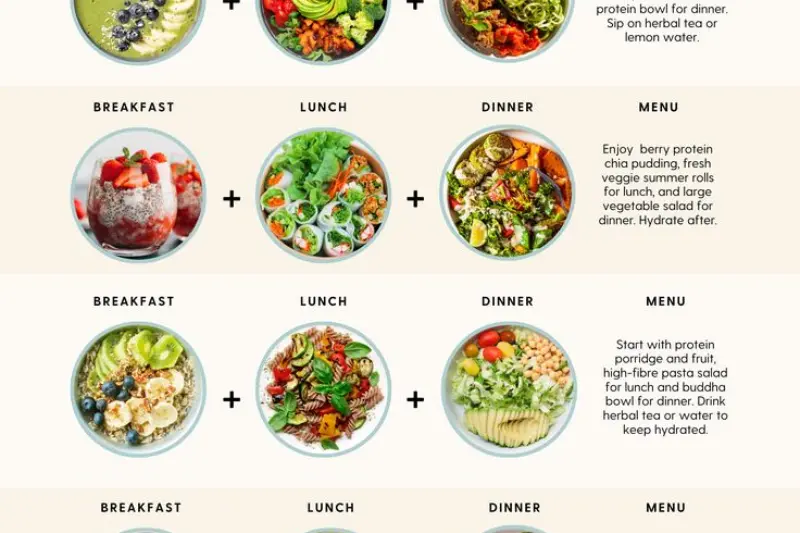
A weekly diet plan is a structured guide that outlines what to eat for breakfast, lunch, dinner, and snacks for each day of the week. It focuses on variety, balanced meals, portion control, and nutrient-rich foods. Unlike fad diets, a weekly diet plan is practical, sustainable, and easy for beginners to follow.
Benefits of Following a Weekly Diet Plan
Saves Time
Planning meals ahead reduces the need for last-minute decisions and unhealthy food choices.
Encourages Balanced Eating
A weekly plan ensures that every meal includes proteins, carbohydrates, healthy fats, and vegetables.
Supports Fitness Goals
Whether your goal is weight loss, muscle gain, or overall wellness, a weekly diet plan complements your fitness routine.
Reduces Stress
Knowing what to eat each day removes the daily struggle of deciding on meals.
Key Principles of a Healthy Weekly Diet Plan
Include lean proteins such as chicken, fish, eggs, tofu, or legumes
Choose complex carbohydrates like oats, brown rice, quinoa, and whole grains
Incorporate healthy fats such as olive oil, nuts, seeds, and avocado
Eat plenty of fruits and vegetables for fiber and nutrients
Drink at least 8 glasses of water daily
Avoid processed and sugary foods whenever possible
Sample Weekly Diet Plan for Beginners
Monday
Breakfast: Oatmeal with berries and nuts, green tea
Snack: Apple and a handful of almonds
Lunch: Grilled chicken, brown rice, steamed vegetables
Snack: Carrot sticks with low-fat yogurt
Dinner: Baked fish, quinoa, salad
Tuesday
Breakfast: Whole wheat toast with avocado and boiled egg
Snack: Banana and walnuts
Lunch: Tofu stir-fry with vegetables, brown rice
Snack: Cucumber slices with hummus
Dinner: Grilled chicken, steamed broccoli, small portion of quinoa
Wednesday
Breakfast: Smoothie with spinach, banana, protein powder
Snack: Orange and almonds
Lunch: Lentil soup with whole wheat bread, salad
Snack: Cottage cheese and cucumber sticks
Dinner: Baked salmon, roasted vegetables, small portion of brown rice
Thursday
Breakfast: Oatmeal with chia seeds and berries
Snack: Apple with a teaspoon of peanut butter
Lunch: Grilled chicken salad with olive oil dressing
Snack: Boiled egg and carrot sticks
Dinner: Steamed tofu, mixed vegetables, quinoa
Friday
Breakfast: Whole wheat toast with scrambled eggs and spinach
Snack: Banana and walnuts
Lunch: Chickpea salad with olive oil and lemon
Snack: Low-fat yogurt with berries
Dinner: Baked fish, steamed vegetables, small portion of brown rice
Saturday
Breakfast: Smoothie with oats, banana, and low-fat milk
Snack: Almonds and apple
Lunch: Grilled chicken, roasted vegetables, quinoa
Snack: Cucumber sticks and hummus
Dinner: Tofu stir-fry with vegetables, small portion of brown rice
Sunday
Breakfast: Omelet with vegetables and whole wheat toast
Snack: Orange and a handful of walnuts
Lunch: Lentil soup, brown rice, salad
Snack: Low-fat yogurt with fruit
Dinner: Baked salmon, steamed broccoli, quinoa
You may also like to read these posts:
Simple Workout Plan for Beginners to Stay Fit
Healthy Nutrition Plan for Beginners and Busy People
Meal Plan for Beginners to Eat Healthy and Stay Fit
Balanced Diet Plan for Beginners to Stay Healthy
Tips for Effective Weekly Diet Planning
Prepare meals in advance to save time during busy days
Include a variety of foods to cover all essential nutrients
Control portion sizes to maintain energy and avoid overeating
Drink plenty of water throughout the day
Adjust meals according to personal taste and dietary requirements
Common Mistakes to Avoid
Skipping meals or snacks
Eating too many processed foods
Ignoring portion control
Not staying hydrated
Relying on fad diets instead of sustainable habits
How Long Does It Take to See Results?
Energy levels may improve within 1–2 weeks
Better digestion and focus appear in 2–3 weeks
Visible changes in weight or body composition can take 4–8 weeks depending on consistency
Frequently Asked Questions
Can beginners follow this weekly diet plan?
Yes, it is simple, practical, and designed for beginners.
Can this plan help with weight loss?
Yes, combined with exercise and portion control, it supports weight loss.
Can I prepare all meals at home?
Absolutely, all meals are easy to prepare with common ingredients.
Can vegetarians follow this plan?
Yes, animal proteins can be replaced with legumes, tofu, beans, and dairy products.
How important is drinking water during the week?
Very important, as it supports digestion, metabolism, and overall health.
Conclusion
A weekly diet plan is an easy and effective way to eat healthy, save time, and achieve your fitness goals. By following a structured plan with balanced meals, portion control, and variety, beginners can build sustainable eating habits, stay energized, and maintain overall wellness. Consistency and preparation are the keys to success.