


A balanced diet is essential for maintaining good health, boosting energy, and supporting overall body function. Many beginners struggle with what to eat, how much, and when. A structured balanced diet plan provides clarity and ensures the body gets all essential nutrients. By following a balanced diet, you can improve immunity, maintain a healthy weight, and support your fitness goals.
What Is a Balanced Diet Plan?
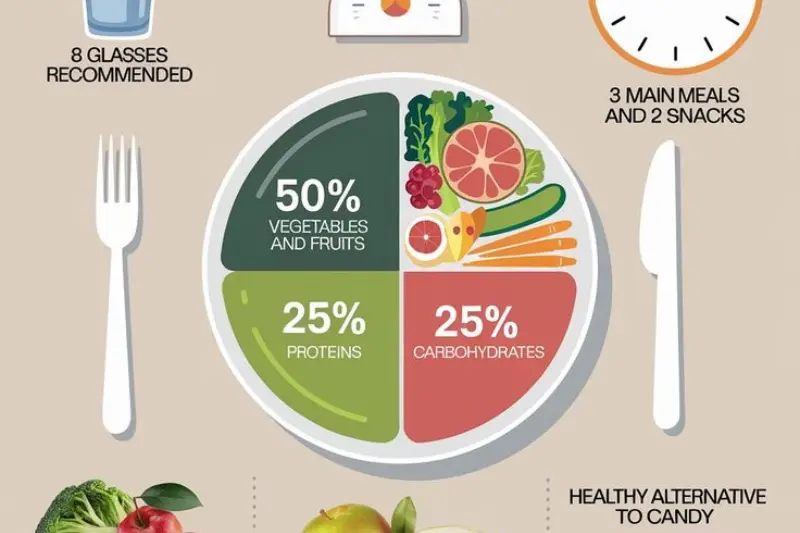
A balanced diet plan is a structured eating routine that provides the right proportion of proteins, carbohydrates, fats, vitamins, minerals, and water. It focuses on variety, moderation, and regular meals. Unlike fad diets, a balanced diet plan is sustainable and promotes long-term health.
Benefits of Following a Balanced Diet
Improves Overall Health
A balanced diet strengthens the heart, brain, and muscles while reducing the risk of chronic diseases.
Supports Weight Management
Eating the right portions prevents overeating and helps maintain a healthy weight.
Boosts Energy
Balanced meals provide consistent energy throughout the day.
Enhances Mental Clarity
Proper nutrition improves focus, memory, and mood.
Key Components of a Balanced Diet Plan
Proteins
Proteins help build and repair muscles. Include lean meats, fish, eggs, dairy, legumes, and nuts.
Carbohydrates
Carbs provide energy. Opt for whole grains, oats, quinoa, brown rice, and vegetables rather than refined sugar.
Healthy Fats
Fats support brain function and hormones. Include olive oil, nuts, seeds, and avocados.
Fruits and Vegetables
Rich in vitamins, minerals, and fiber, fruits and vegetables aid digestion and immunity.
Water
Adequate hydration is essential for body function. Drink at least 8 glasses of water daily.
You may also like to read these posts:
Full Body Workout Plan for Beginners and Busy People
Workout Guide for Beginners to Start Fitness Safely
Daily Exercise Routine for Beginners and Healthy Life
Simple Workout Plan for Beginners to Stay Fit
Sample Balanced Diet Plan for Beginners

Breakfast
Oatmeal topped with fruits and nuts
Low-fat yogurt or milk
A glass of water or green tea
Mid-Morning Snack
A handful of almonds or walnuts
Fresh fruit like apple or banana
Lunch
Grilled chicken, fish, or tofu
Brown rice or whole wheat bread
Steamed vegetables or salad
A glass of water
Afternoon Snack
Carrot or cucumber sticks
Boiled egg or cottage cheese
Dinner
Baked or steamed protein (chicken, fish, tofu, or legumes)
Quinoa or whole grains
Green leafy vegetables
Herbal tea or water
Optional Evening Snack
A small fruit or a cup of low-fat yogurt
Tips for Following a Balanced Diet Plan
Plan meals ahead to avoid unhealthy food choices
Control portion sizes to prevent overeating
Include variety to get all essential nutrients
Avoid processed and sugary foods
Listen to your body’s hunger and fullness cues
Common Mistakes to Avoid
Skipping meals
Relying on fad diets
Eating too many processed foods
Ignoring hydration
Overeating even healthy foods
How Long to See Results?
Energy levels usually improve within 1–2 weeks
Better digestion and focus appear in 3–4 weeks
Visible changes in weight or fitness may appear in 4–8 weeks depending on consistency
Staying Motivated
Set small, achievable goals
Track meals and progress
Try new healthy recipes to avoid boredom
Focus on long-term health rather than quick fixes
Frequently Asked Questions
Can beginners follow this balanced diet plan?
Yes, it is simple, flexible, and designed for beginners.
Is it suitable for weight loss?
Yes, with proper portion control and exercise, it supports weight management.
Can I prepare meals at home following this plan?
Yes, all meals are easy to prepare with common ingredients.
Can vegetarians follow this plan?
Yes, replace meat with tofu, legumes, beans, and dairy products.
How important is drinking water?
Very important, as it aids digestion, metabolism, and overall health.
Conclusion
A balanced diet plan is essential for a healthy and energetic life. By including proteins, carbohydrates, healthy fats, fruits, vegetables, and water in your daily meals, you can maintain overall wellness and improve your fitness. Consistency, portion control, and variety are key to making a balanced diet sustainable and effective.